Summer Promotional Home Offer!
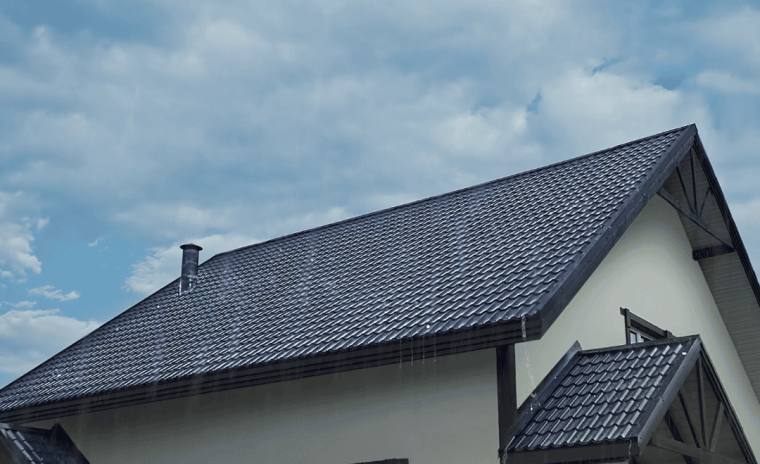
Postponing Small Repairs
Many homeowners notice a small leak, a few missing shingles, or minor flashing damage and decide to wait until the problem worsens before taking action. This approach may seem financially prudent in the short term, but it often transforms a simple repair into a structural emergency. A small leak that begins in your attic during Cincinnati’s spring storms can quickly saturate insulation, damage ceiling joists, and promote mold growth throughout your living spaces. By the time visible water stains appear on your ceiling, the underlying damage may already require thousands of dollars in structural repairs.
The freeze-thaw cycles common in the Cincinnati area during winter months accelerate the deterioration of compromised roofing materials. Water that seeps through a minor crack can freeze overnight when temperatures drop, expanding and widening the gap. When temperatures rise during the day, the ice melts and allows even more water to penetrate. This cycle repeats throughout the season, turning a manageable issue into a full-scale roofing failure.
Prevention requires regular inspection and immediate attention to any signs of wear. Schedule visual roof inspections twice yearly, particularly after severe weather events. Document any changes in your roof’s appearance, including lifted shingles, granule loss, or soft spots. When you identify a problem, arrange for a professional assessment promptly. Qualified installers can evaluate whether a targeted repair will suffice or if the damage indicates broader issues requiring more extensive intervention. Addressing problems early preserves your roof’s structural integrity and protects your home’s interior from water damage that can compromise your entire investment.
Choosing the Cheapest Materials
Choosing roofing materials solely based on the lowest available price remains one of the most expensive mistakes homeowners make. While budget considerations matter, the cheapest option rarely delivers the longevity, weather resistance, or energy efficiency that your home requires. Low-grade shingles may carry warranties that appear attractive on paper, but these warranties often exclude the labor costs associated with premature failure, leaving you responsible for removal, disposal, and reinstallation expenses within just a few years.
Cincinnati’s weather patterns demand materials that can withstand temperature extremes, high humidity in summer, and ice accumulation in winter. Bargain materials often lack the wind resistance ratings necessary to survive severe thunderstorms that roll through the Ohio Valley during spring and early summer. When strong winds lift poorly constructed shingles, the exposed underlayment offers minimal protection against driving rain. The resulting water intrusion damages not only your roof deck but also your home’s electrical systems, insulation, and interior finishes.
Quality roofing materials incorporate advanced features such as algae-resistant granules, impact resistance for hail protection, and reflective coatings that reduce cooling costs during humid summer months. These features add initial cost but deliver substantial long-term value through extended service life and reduced maintenance requirements. When evaluating material options, consider the total cost of ownership over the expected lifespan rather than the upfront installation price. Professional installers can help you understand which materials offer the best performance for your specific roof design, orientation, and exposure to weather elements. Investing in appropriate materials protects your home more effectively and reduces the likelihood of unexpected replacement costs during the years when you should be enjoying worry-free shelter.
Ignoring Ventilation Systems
Adequate attic ventilation plays a critical role in roof longevity, yet many homeowners and even some installers fail to ensure proper airflow during roof replacement projects. Without balanced intake and exhaust ventilation, your attic becomes a heat trap in summer and a condensation chamber in winter. During Cincinnati’s humid summer months, attic temperatures in poorly ventilated spaces can exceed 150 degrees Fahrenheit, literally cooking your roofing materials from beneath. This excessive heat causes shingles to curl, adhesive seals to fail prematurely, and decking to warp, dramatically shortening your roof’s effective lifespan.
Winter presents equally serious concerns. When warm, moist air from your living spaces rises into an inadequately ventilated attic, it condenses on cold roof decking and framing members. This condensation creates ideal conditions for mold growth and wood rot, compromising your roof’s structural integrity. In freezing temperatures, trapped moisture contributes to ice dam formation along your eaves. As snow melts on the warmer upper sections of your roof and refreezes at the colder eaves, ice builds up and forces water backward under your shingles. The resulting leaks can damage insulation, drywall, and even your home’s foundation if water continues unchecked.
Proper ventilation requires a balanced system with intake vents at the soffits and exhaust vents at or near the ridge. The specific ventilation requirements depend on your attic’s square footage and configuration. Building codes specify minimum ventilation ratios, but these minimums may not provide optimal performance for your home’s specific design. During roof replacement or major repair projects, ensure that ventilation receives the same careful attention as shingle selection and flashing installation. Professional installers assess your existing ventilation, calculate requirements based on your attic dimensions, and recommend appropriate solutions such as ridge vents, power ventilators, or additional soffit vents. Adequate ventilation protects your roofing investment from both extremes of the climate cycle and helps maintain consistent indoor comfort throughout the year.
Layering Over Old Shingles
The practice of installing new shingles over existing layers, sometimes called a roof-over or overlay, appeals to homeowners seeking to reduce project costs. While building codes in some jurisdictions permit a single overlay, this approach conceals rather than solves underlying problems. When you cover damaged decking, deteriorated flashing, or compromised underlayment with new shingles, you simply hide structural issues that will continue to worsen. The additional weight of multiple shingle layers stresses your roof framing, and the uneven surface created by old, curled shingles prevents new shingles from lying flat, reducing their wind resistance and water-shedding capability.
Cincinnati’s variable weather conditions make overlays particularly problematic. If the existing roof layer has sustained water damage during previous storms, that moisture remains trapped beneath the new installation. Trapped moisture accelerates rot in your roof decking and promotes mold growth that can eventually spread into your home’s interior spaces. During winter freeze-thaw cycles, any moisture present in the layered system expands and contracts, creating movement that loosens fasteners and compromises the integrity of both shingle layers.
Complete tear-off to the roof deck allows for thorough inspection of the structural components that support your entire roofing system. This inspection may reveal damaged decking that requires replacement, inadequate nailing patterns from previous installations, or ventilation deficiencies that contributed to premature failure of the original roof. Addressing these issues during installation ensures that your new roof performs as designed and achieves its full expected lifespan. While tear-off adds cost to your project, it represents the only way to verify that your roof structure remains sound and that your new roofing materials rest on a solid, properly prepared foundation. Professional roof installation services include complete removal of old materials, deck inspection and repair, updated underlayment installation, and proper flashing details that protect vulnerable areas such as valleys, chimneys, and roof penetrations. This thorough approach delivers a roofing system that functions as an integrated protective barrier rather than a cosmetic cover over hidden problems.
Skipping Routine Maintenance
Even the highest-quality roofing system requires regular maintenance to achieve its full service life, yet many homeowners adopt a neglectful approach after installation. This lack of attention allows minor issues to progress unnoticed until they cause significant damage. Debris accumulation in valleys and gutters traps moisture against roofing materials, creating conditions that accelerate deterioration. Tree branches that scrape against shingles during windstorms gradually wear away protective granules, exposing the asphalt layer to direct ultraviolet radiation and weather exposure. These preventable problems shorten roof life and increase the likelihood of leaks that damage your home’s interior.
Cincinnati’s tree-lined neighborhoods create beautiful surroundings but also generate substantial organic debris that collects on roofs, particularly during autumn leaf drop and after spring storms. When leaves and twigs accumulate in roof valleys, they create dams that prevent proper water drainage. Standing water works its way under shingles and compromises the adhesive bond that keeps them sealed against wind uplift. During winter, this trapped debris holds snow and ice against your roof surface longer than properly cleared areas, increasing the potential for ice dam formation and the resulting water infiltration.
Establishing a maintenance schedule protects your investment and helps you avoid unnecessary repair costs. At minimum, inspect your roof twice yearly, in spring after winter weather has passed and in fall before winter conditions begin. During these inspections, clear all debris from valleys, gutters, and downspouts. Check that flashing remains securely sealed around chimneys, vent pipes, and other penetrations. Look for any shingles that have lifted, cracked, or lost significant granules. Trim tree branches that overhang your roof or scrape against its surface during windy conditions. If you observe any concerning conditions during your inspection, arrange for a professional evaluation before the problem escalates. Routine maintenance takes minimal time and expense compared to the cost of repairing water damage to your home’s structure and interior finishes. Professional roofing services can provide detailed maintenance plans tailored to your roof’s age, material type, and exposure to specific environmental factors. By treating your roof as a critical system that requires ongoing attention rather than a passive component you can ignore, you maximize its protective capability and extend its functional lifespan well beyond what neglect would allow.